Skilled Carpenter Services: Enhance Your Property With Custom Woodwork Services
Skilled carpenter services deliver a range of custom woodwork solutions that can substantially elevate any space. With a focus on customized plans and exceptional craftsmanship, these professionals create functional and aesthetically pleasing environments. From tailor-made bookshelves to refined cabinetry, the possibilities are numerous. Collaborating with skilled artisans can produce unique features that reflect individual taste. However, understanding the procedure and advantages is crucial before beginning such a project.
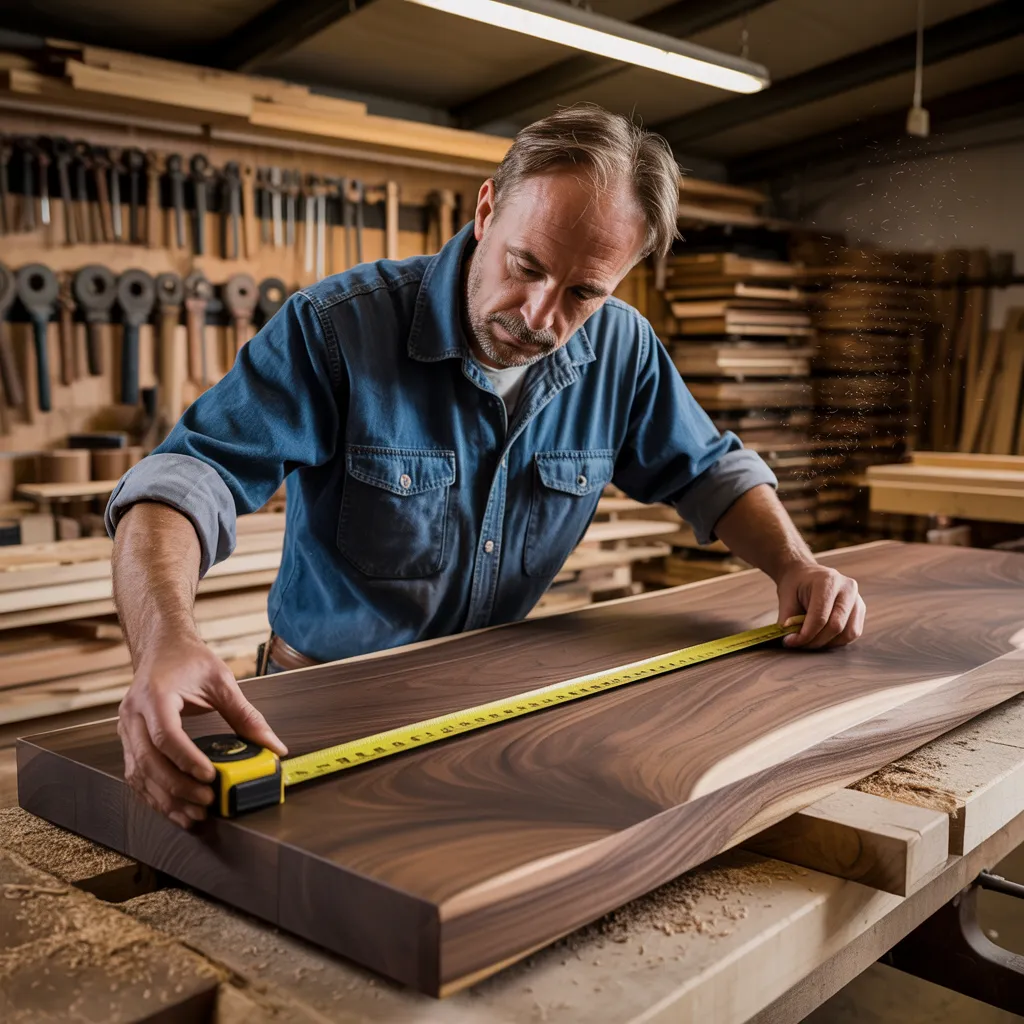
The Unique Benefits of Custom Woodwork for Your Space
Tailored wooden craftsmanship delivers exceptional advantages that can reshape any room into a manifestation of personal character and utility. One significant benefit is the ability to tailor designs to specific dimensions and needs, ensuring a perfect fit for any area. This personalization not only improves visual attraction but also optimizes functionality, offering solutions that ready-made products cannot equal.
Additionally, custom woodwork usually employs top-quality materials and craftsmanship, leading to durable and lasting features. This type of investment typically becomes more budget-friendly over time, as tailor-made pieces can tolerate wear superior than mass-produced alternatives.
In addition, engaging skilled carpenters enables unique design elements, blending personal tastes and lifestyle demands. This produces spaces that are not only visually appealing but also highly functional. dive in In the end, custom woodwork fosters a sense of ownership and pride, making any environment more inviting and personalized.
Trending Custom Woodwork Projects: Bookshelves, Kitchens, and Decks
Several popular custom woodwork projects can greatly enhance both the functionality and aesthetics of a home. Among these projects, custom bookshelves function as a practical solution for arranging books and displaying decor. Tailored to fit any space, they can be crafted to match the home's style, from modern to rustic.
Kitchens receive significant advantages from custom woodwork. Bespoke cabinetry permits residents to maximize storage space and improve layout efficiency, while offering a cohesive look that reflects personal taste. Whether it's a farmhouse kitchen or a sleek contemporary design, custom woodwork enhances the overall ambiance.
Outdoor decks are another sought-after project, offering outdoor living space that can be adapted for leisure or hosting. Professionally built decks not only beautify the home's exterior but also offer a resilient area for gatherings. As a whole, these custom woodwork projects elevate spaces, bringing distinction and worth to any home.
How Skilled Carpenters Turn Your Concepts into Reality
Skilled carpentry professionals turn client visions into concrete outcomes through customized design consultations. They apply accurate construction practices to ensure each project satisfies elevated levels of quality. Additionally, the careful selection of superior products enhances the strength and visual appeal of the final product.
Tailored Design Consultations
How do skilled carpenters transform vague concepts into tangible creations? Through tailored design meetings, skilled carpenters include clients in a joint effort that transforms ideas into reality. Throughout these meetings, carpenters carefully listen to clients' concepts, tastes, and practical requirements, guaranteeing a complete comprehension of the intended result. They supply beneficial advice and input, tapping into their substantial knowledge to polish the starting ideas. Employing sophisticated design software, carpenters develop comprehensive drawings and models, enabling clients to envision the completed piece. This collaborative method not only encourages innovation but also establishes confidence and connection between clients and carpenters. Ultimately, tailored consultations are vital in producing one-of-a-kind woodwork solutions customized to particular preferences and demands, ensuring happiness with the final product.
Precision Craftsmanship Techniques
Bringing concepts to life demands a mastery of exacting artisan methods, which skilled carpenters employ to ensure impeccable results. These artisans leverage advanced tools and techniques to achieve exact measurements and flawless cuts, crucial for achieving a seamless fit in any project. Attention to detail is fundamental; expert carpenters thoroughly plan each step, from sketching initial designs to executing intricate joinery methods. They expertly balance aesthetics with functionality, ensuring that every piece of woodwork improves the overall design while serving its intended purpose. Whether constructing custom cabinetry or intricate moldings, their expertise in precision craftsmanship not only satisfies client expectations but often goes beyond them, transforming visions to life with unmatched quality and artistry.
Quality Material Selection
The selection of quality materials represents a vital component in realizing woodworking visions. Experienced carpenters comprehend that choosing wood and other materials considerably impacts the longevity, aesthetics, and performance of the final product. They meticulously evaluate various wood types, considering factors such as pattern formations, strength, and moisture protection. By choosing high-quality materials, skilled carpenters guarantee that each project not only achieves aesthetic goals but also withstands the test of time. Additionally, they incorporate earth-friendly and renewable materials, aligning with current sustainability values. This deliberate choosing method allows expert carpenters to transform client visions into tangible realities, resulting in custom woodwork that improves areas while showcasing personal taste and skilled workmanship.
Picking Wood Materials for Your Bespoke Wood Projects
When commencing on a custom woodwork project, choosing the right materials is crucial to achieving both aesthetic appeal and functional durability. Different types of wood, such as hardwoods and softwoods, offer distinct qualities. Hardwoods, such as oak and maple, are renowned for their strength and longevity, making them well-suited for furniture and cabinetry. Softwoods, like pine and cedar, are generally more affordable and easier to work with, suited for decorative elements or less demanding applications.
In addition to wood types, considerations such as grain patterns, color, and finish are important in aligning with the overall design vision. Environmental factors, including humidity and temperature, should also guide material choices to guarantee stability and longevity. In the end, a considered selection of materials not only improves the visual character of the project but also supports its structural integrity and lifespan, guaranteeing a successful custom woodwork outcome.
The Woodworking Process: A Step-by-Step Approach Starting From Design to Installation
The carpentry workflow starts with an introductory consultation and planning phase, where clients talk about their requirements and preferences. Subsequently, design development takes place, ending in client approval before transitioning to the installation step. Each phase is essential in guaranteeing that the final product satisfies the desired specifications and quality standards.
Initial Assessment And Strategy
Before commencing any carpentry project, an initial consultation and planning phase is vital to verify that the client's vision is accurately captured. During this phase, the carpenter engages with the client to discuss their ideas, preferences, and specific requirements. This discussion helps establish a clear understanding of the project scope, timelines, and budget constraints. The carpenter may evaluate the existing space and identify any challenges that need to be addressed. Additionally, gathering measurements and exploring material options guarantees that the project aligns with the client's expectations. This foundational step not only fosters clear communication but also lays the groundwork for a successful design process, ultimately leading to a satisfying and cohesive final product tailored to the client's unique needs.
Design Planning And Approval
Transforming early ideas into physical designs represents the next step in the carpentry process: design development and approval. During this crucial step, carpenters collaborate closely with clients to refine designs, guaranteeing that each aspect aligns with the intended outcome. This often involves creating comprehensive drawings and 3D renderings, allowing clients to visualize the final product. Feedback is essential, as it enables adjustments to be made before moving forward. The approval process ensures that all specifications, materials, and aesthetics meet the client's expectations. Once consensus is reached, the designs are finalized, paving the way for the subsequent steps of the project. This careful approach not only improves client satisfaction but also sets a solid foundation for successful execution.
Skilled Installation Process
When the design gets approved, the professional installation process initiates, guaranteeing that the crafted pieces are executed with precision and care. To begin, the installation team arranges the site, assessing and preparing the area to accommodate the new woodwork. Subsequently, they thoroughly transport the custom pieces to the location, assessing each for quality before installation. The team then employs a systematic approach, aligning, positioning, and securing the components to assure a perfect fit. Meticulous attention is crucial, as adjustments may be called for to make sure seamless integration with existing structures. Ultimately, once installed, the team completes a comprehensive inspection and clean-up, rendering the space ready for use while guaranteeing the craftsmanship meets the highest standards of quality and satisfaction.
Finding the Perfect Carpenter for Your Woodwork Project
What steps can be taken to guarantee selecting the right carpenter for a woodwork project? Selecting the ideal carpenter requires careful consideration of several factors. Initially, prospective clients ought to assess the carpenter's expertise and past projects, confirming their earlier work matches the preferred aesthetic and project intricacy. It is also beneficial to seek recommendations from friends or online reviews to gauge customer satisfaction and reliability.
Moreover, verifying credentials, such as licenses and insurance, is important for shielding oneself from potential liabilities. Effective communication is critical; clients should communicate their vision and ask relevant questions about the carpenter's method and timeline. Securing multiple quotes can provide insight into the market rate and help identify the optimal value. Lastly, trust one's instincts—choosing a carpenter who demonstrates professionalism and enthusiasm for the project can result in a more successful collaboration.
What You Can Expect: Timeframe and Costs for Custom Woodwork?
Understanding the schedule and pricing associated with custom woodwork is essential for clients starting on their projects. Typically, the schedule for custom woodwork can span from a few weeks to several months, depending on the complexity and scope of the project. Initial discussions, design drafts, material procurement, and crafting all factor into this timeframe.
Expenses may differ substantially based on factors such as the kind of wood, sophistication of the design, and labor involved. On average, clients might expect to spend between $50 to $150 per hour for skilled carpentry services, in addition to material costs that can range from $10 to $100 per square foot.
It's recommended for clients to acquire comprehensive estimates and timelines from their chosen carpenter to establish a thorough understanding of the project's scope and budget, allowing for a better execution of their custom woodwork vision.
Questions & Answers
What Types of Wood Are Best for Custom Projects?
Custom projects benefit greatly from hardwoods such as oak, maple, and cherry, thanks to their lasting quality and attractive appearance. Additionally, softwoods like pine and cedar are widely used due to their workability and adaptable design options.
Will Custom Woodwork Boost My House's Value?
Bespoke wooden features can significantly boost a property's worth by improving aesthetic appeal and functionality. Skillfully constructed wood components often draw in potential buyers, making residences notable in the market and validating increased sale prices.
What's the Best Way to Maintain My Custom Woodwork?
To care for custom woodwork, frequent dusting is vital. Occasional cleaning with a gentle soap solution protects finish. Putting on a suitable wood polish several times yearly increases sheen, while controlling humidity guards against cracking and warping.
Can You Find Eco-Friendly Wood Options?
Environmentally responsible wood choices are accessible, featuring certified sustainable timber, bamboo, and reclaimed wood. These options minimize ecological footprint while providing durability and aesthetic appeal, making them excellent selections for custom woodworking projects.
What Are the Current Trending Styles in Woodwork?
Today, fashionable woodwork designs include minimalist Scandinavian aesthetics, rustic farmhouse looks, and sleek modern finishes. Moreover, reclaimed wood and bold, geometric patterns are increasing in popularity, showcasing a blend of sustainability and contemporary design choices.